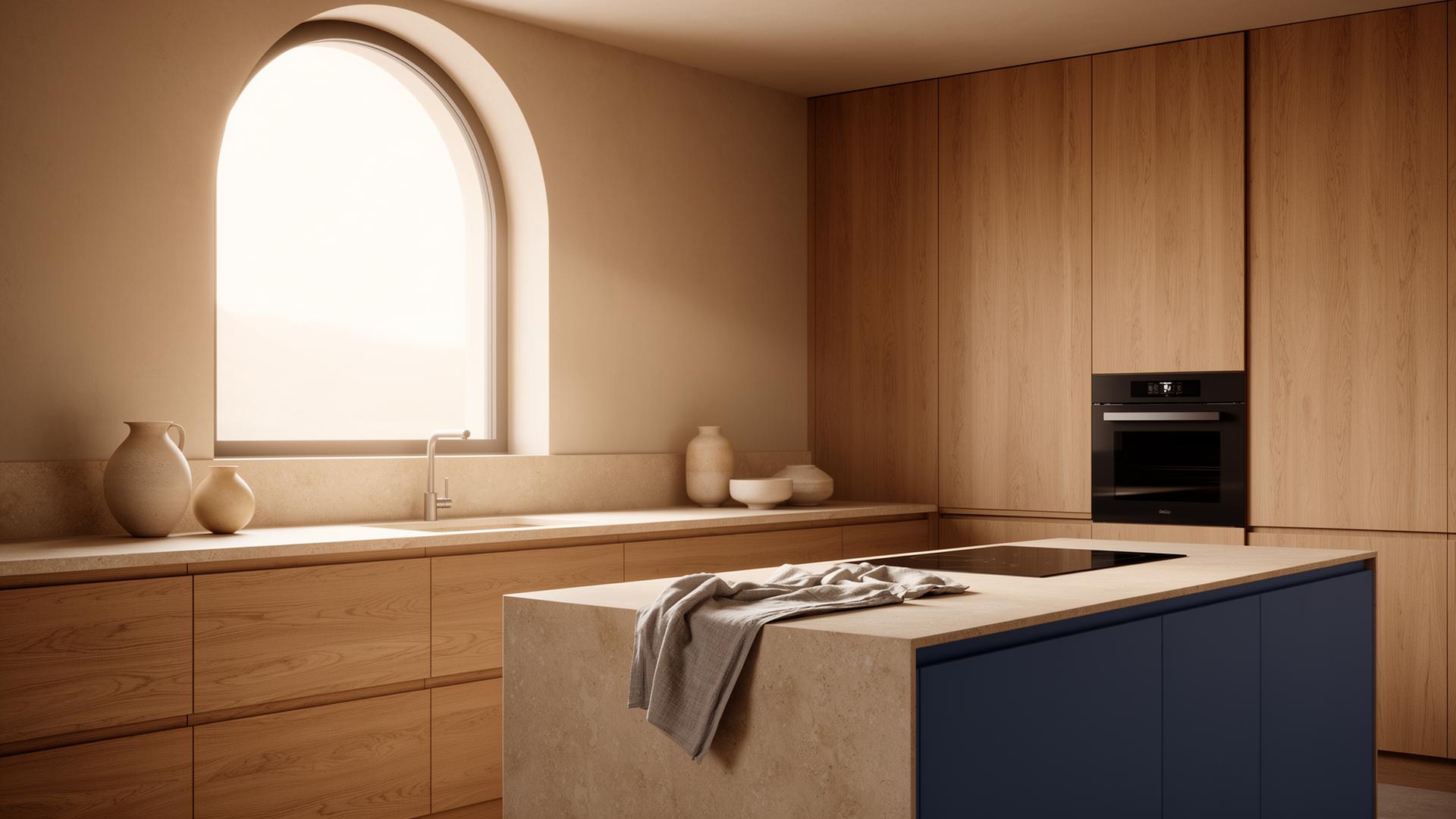
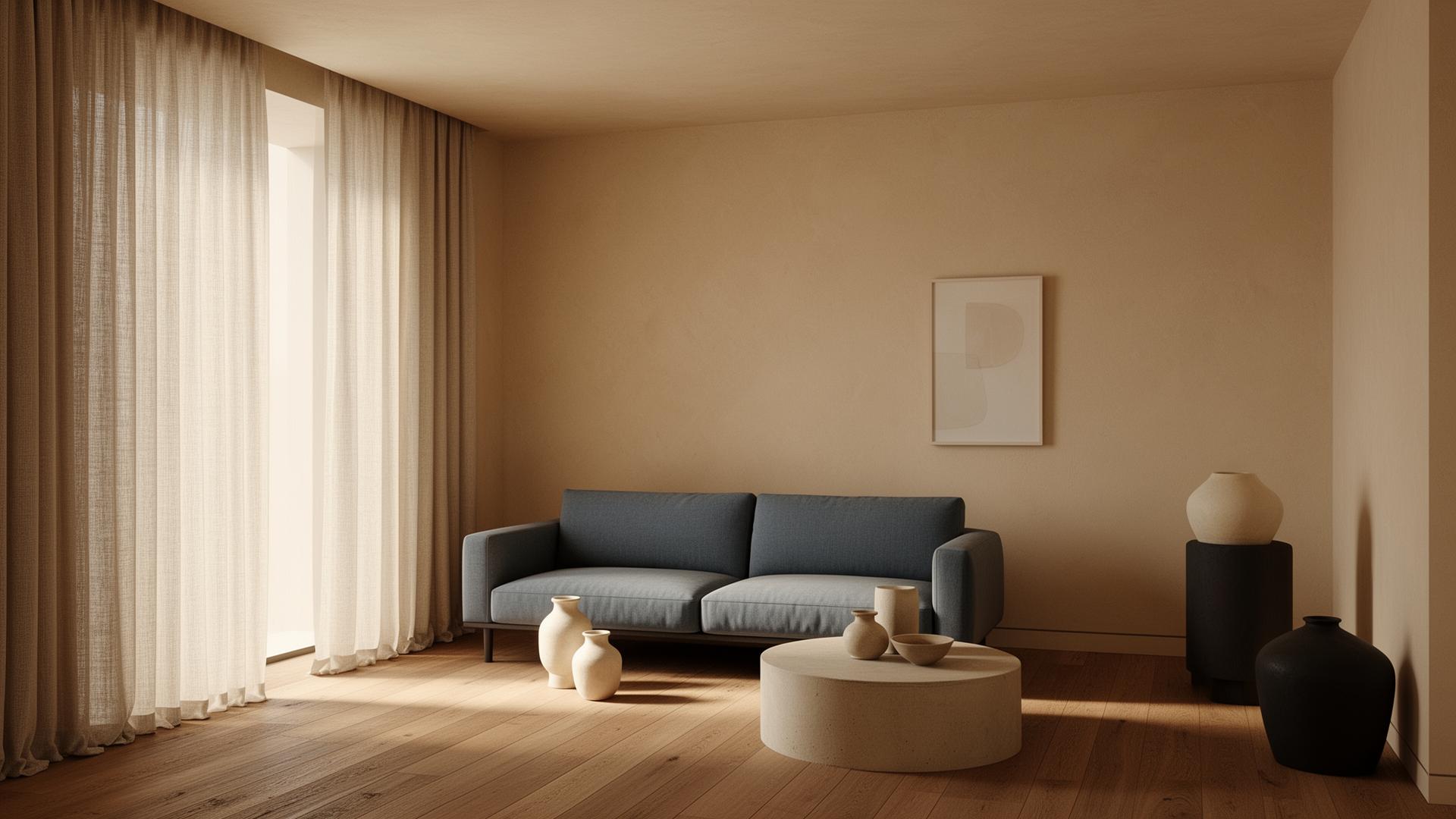
Why Living Room Renders Need Special Attention
Living rooms are the centerpiece of most residential visualization packages. They combine diverse elements — soft furnishings, hard surfaces, decorative objects, natural and artificial lighting, views to exterior spaces — that must all look convincingly real. Clients scrutinize living room renders more than any other space, comparing them against interior design magazines and social media references. This makes living room visualization quality a decisive factor in client satisfaction and project approvals. AI enhancement ensures every living room render meets these high expectations consistently.
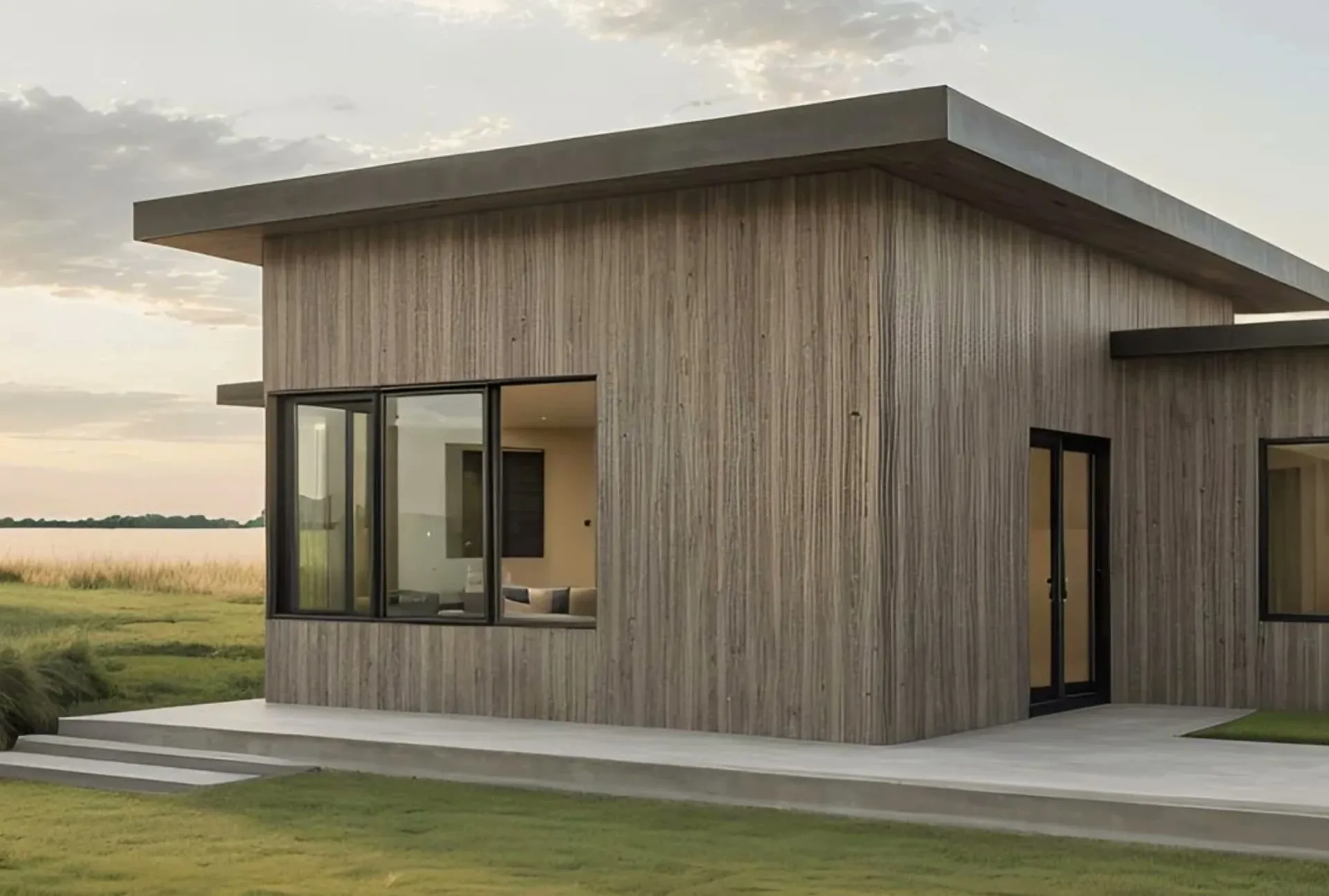
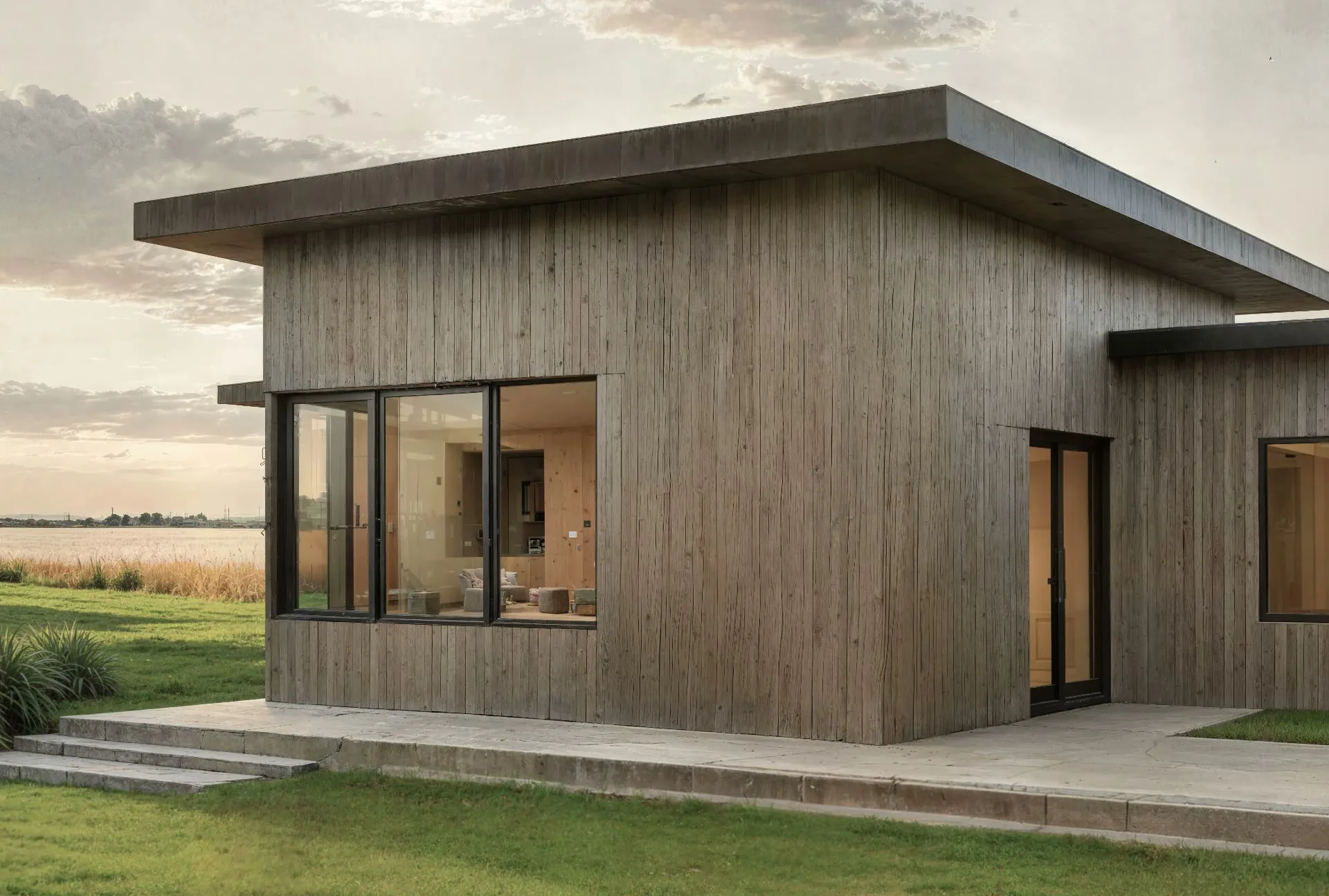
Unique Challenges in Living Room Visualization
Living rooms present distinct rendering challenges: large windows creating complex lighting scenarios with bright exterior views and dim interior corners; multiple fabric types (sofa upholstery, curtains, rugs, cushions) each requiring different material behavior; reflective surfaces like coffee tables, TV screens, and decorative accessories; and the critical connection between indoor and outdoor spaces visible through glazing. Traditional rendering engines struggle to capture all these interactions simultaneously without extended render times. AI enhancement addresses each challenge, improving fabric texture realism, window light behavior, and material reflections in a single pass.
AI Enhancement for Different Living Room Styles
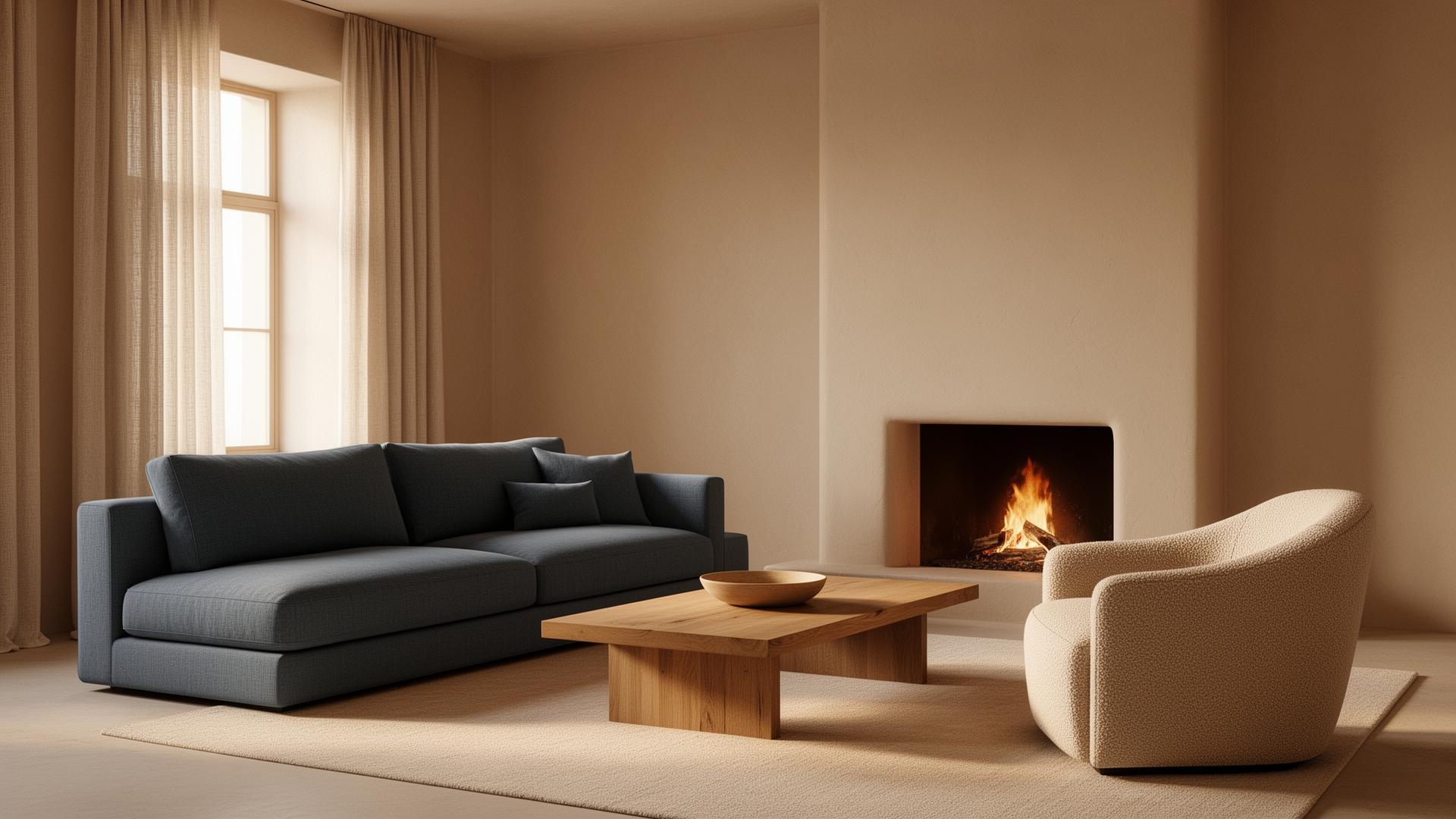
Whether you're visualizing a minimalist Scandinavian living space, a luxurious traditional interior, or a contemporary open-plan living area, AI enhancement adapts to the design language. For minimalist designs, the AI refines the subtle play of light on clean surfaces and enhances the precision of material edges. For richly decorated spaces, it improves the depth and texture of layered materials — velvet cushions, wooden panels, stone fireplaces, metallic fixtures. The AI preserves the mood and atmosphere you intended while elevating the overall photorealism to presentation-ready quality.
Living Room Design Styles and AI Visualization
Different living room styles benefit from AI enhancement in distinct ways. Scandinavian minimalist designs rely on subtle lighting and clean material surfaces — AI refines the delicate interplay of natural light on white walls and light wood. Industrial loft spaces with exposed brick, steel beams, and concrete floors see dramatic improvements in material weathering and texture depth. Mid-century modern interiors with iconic furniture pieces benefit from enhanced wood grain, leather texture, and the warm glow of period-appropriate lighting. Luxury contemporary spaces with marble, silk, and metallic accents gain refined reflections and material luminosity.
“Living rooms present distinct rendering challenges: large windows creating complex lighting scenarios with bright exterior views and dim interior corners; multiple fabric types (sofa upholstery, curtains, rugs, cushio…”
Professional vs. Consumer AI Living Room Tools
Consumer AI living room tools like RoomGPT, Interior AI, and similar apps generate new room designs from text prompts or uploaded photos — useful for homeowner inspiration but impractical for professional architecture. They produce generic results that don't match specific furniture selections, exact room dimensions, or approved material palettes. Professional AI enhancement tools like vaethat work with your actual 3D render — your specific sofa, your chosen rug, your exact window proportions — and make the visualization photorealistic without altering a single design decision. This accuracy distinction is critical for client-approved designs heading to procurement.
Professional Workflow for Living Room Renders
The most efficient workflow for AI-enhanced living room visualization: set up your scene in your preferred 3D software with accurate furniture placement and material assignments. Render at medium quality — this captures the spatial relationships and lighting intent without the computational cost of maximum settings. Upload to vaethat and enhance. The AI improves fabric textures, wood grain definition, glass reflections, and ambient lighting in under 2 minutes. For residential projects requiring 3-5 living room views (different angles, day/night scenarios), you'll save 6-15 hours compared to traditional high-quality rendering and manual post-production.
How vaethat Helps with Living Room Visualization
vaethat understands the specific challenges of living room visualization — the complex interplay of soft furnishings, hard surfaces, natural and artificial lighting, and the indoor-outdoor connection through windows. Upload your living room render and the AI enhances fabric textures, wood surfaces, glass reflections, and the atmospheric depth that separates amateur renders from professional photography. The result is a living room visualization that clients can confidently use for design approval, material procurement decisions, and marketing materials.
Frequently Asked Questions
Can AI design a living room layout?
AI generators can create conceptual living room images, but professional interior design requires understanding client lifestyle, spatial flow, and building constraints. AI enhancement tools like vaethat improve your professional renders rather than replacing the design process.
How does AI handle soft furnishings in living room renders?
The AI excels at enhancing fabric textures — sofa upholstery, cushions, rugs, and curtains all gain more realistic texture, folds, and light interaction. The material choices you made in your 3D model are preserved while their visual quality is elevated.
Does AI enhancement work for open-plan living spaces?
Yes. AI enhancement handles the complexity of open-plan living areas well — improving the transition between zones (living, dining, kitchen), maintaining consistent lighting across the space, and enhancing material diversity throughout.
Can AI improve living room renders with window views?
AI enhancement improves both the interior and any visible exterior through windows. The transition between bright outdoor light and interior ambiance is refined, creating a more realistic depth and luminosity balance.
What is the best AI tool for living room visualization?
For professional living room visualization, vaethat is built specifically for architectural renders — it preserves design accuracy while improving photorealism. Consumer tools like RoomGPT generate new designs but can't work with your existing 3D model, furniture selections, and approved material specifications.
Can AI render a living room in different styles?
AI enhancement doesn't change your design style — it makes whatever style you've designed look more photorealistic. A Scandinavian minimalist living room stays minimal; a traditional luxury interior stays rich and detailed. The AI enhances visual quality, not design direction.
Ready to put this into practice? Try vaethat to upscale your interior renders in one click, no prompts, no Photoshop.