AI in Architecture: Enhancement vs. Generation
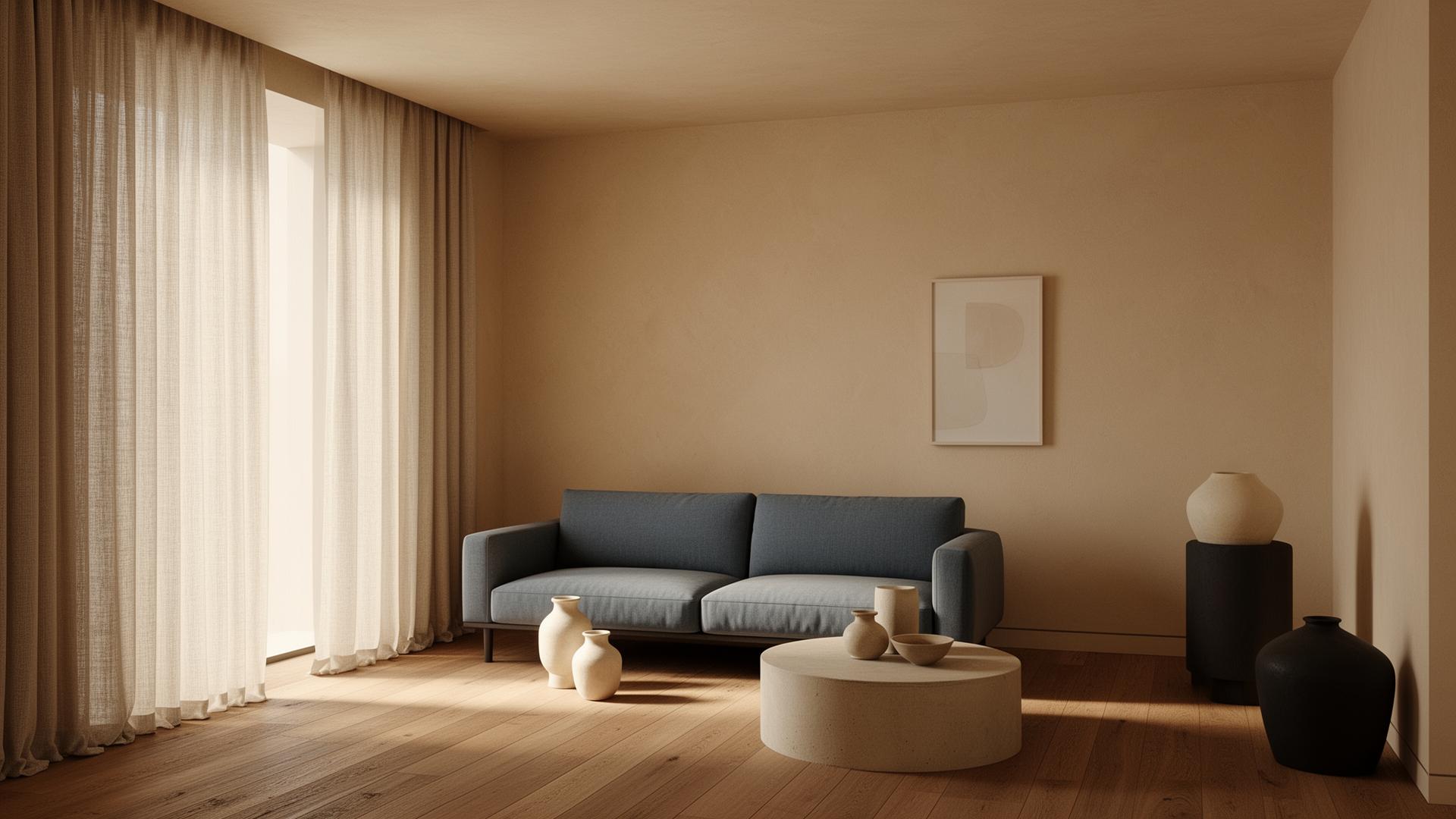
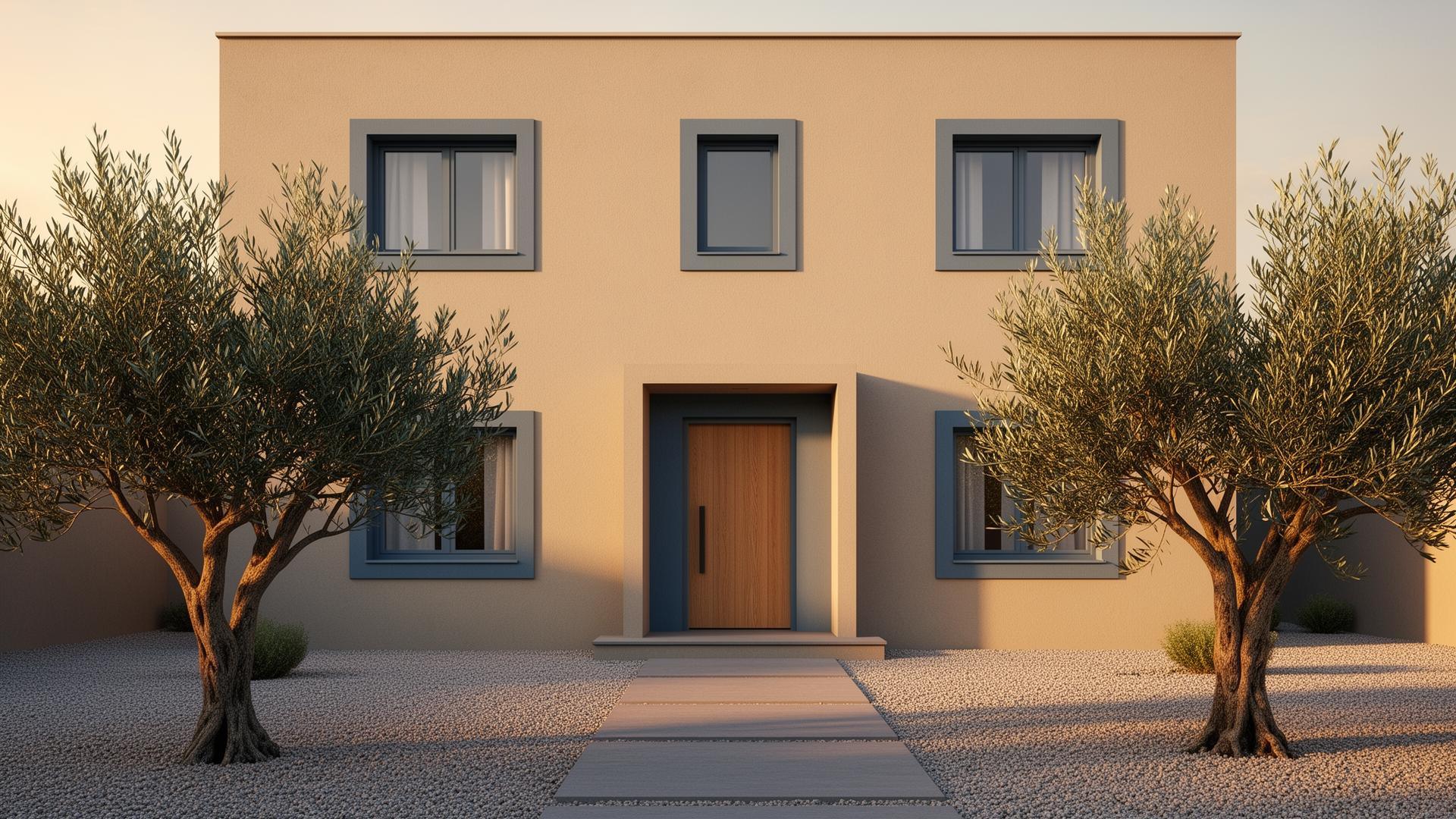
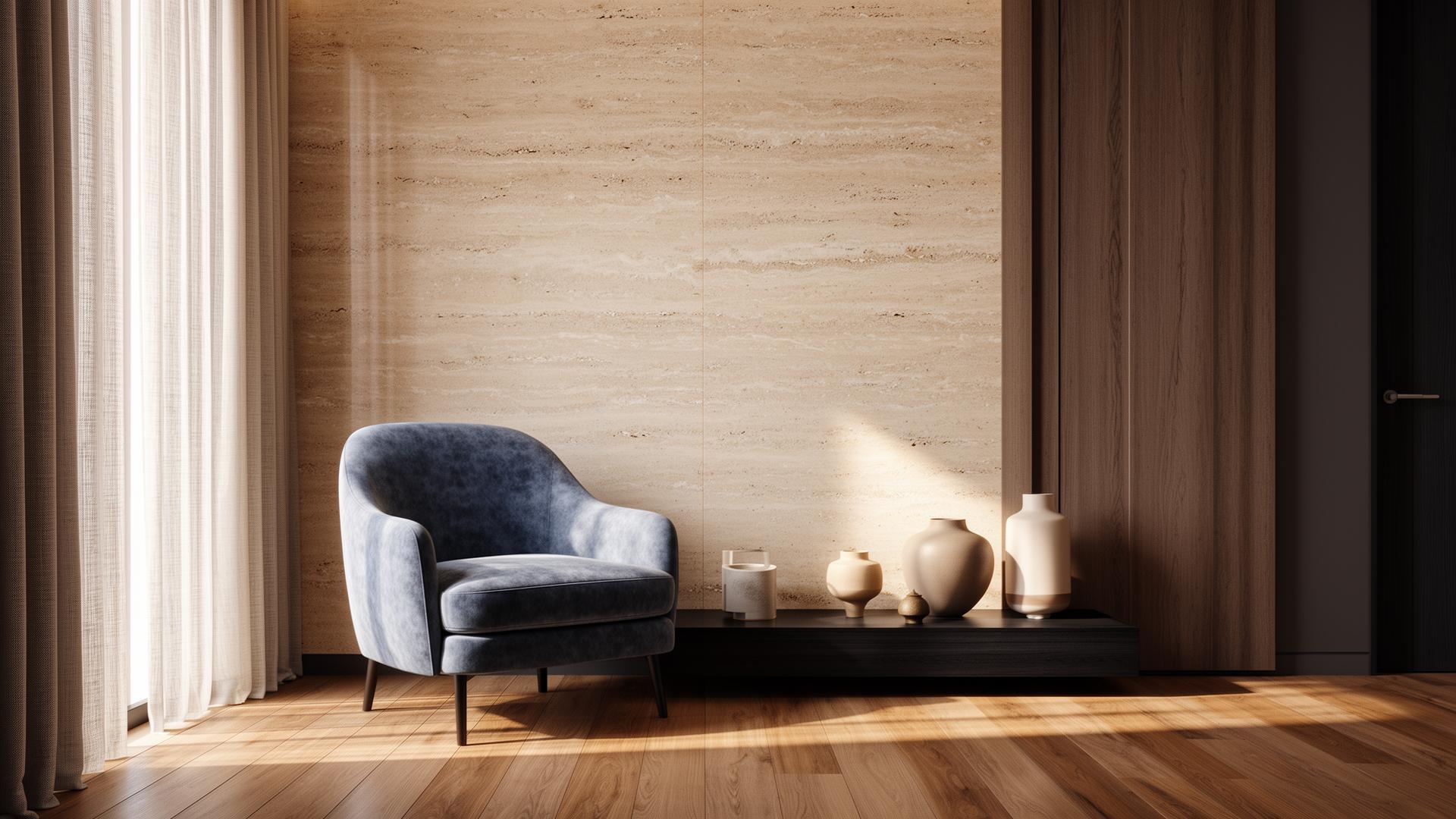
The conversation around AI in architecture often conflates two very different applications. AI generation tools create architectural images from text descriptions — useful for early concept exploration but unsuitable for professional documentation. AI enhancement tools, like vaethat, work with your actual 3D models and renders to improve visual quality while preserving every design decision. For practicing architects, enhancement is the more immediately valuable application because it integrates into existing workflows and produces outputs you can confidently present to clients and planning authorities.


The Business Case for AI-Enhanced Architecture Visualization
Consider a mid-size architecture firm producing 15-20 visualization images per project across interior and exterior views. At 2-4 hours per high-quality render plus post-processing, that's 30-80 hours of visualization time per project. With AI enhancement, the same firm renders at medium quality (15-30 minutes per image) and enhances with AI (2 minutes per image), reducing total visualization time to 5-10 hours. This 75-85% time reduction translates directly to improved project profitability, faster delivery timelines, and the ability to offer more visualization options to clients.
Integrating AI Enhancement Into Your Architecture Practice
AI enhancement fits naturally at the end of your existing workflow. There's no need to change your modeling software, rendering engine, or design process. You simply add a final enhancement step: upload your rendered images to vaethat, select your enhancement parameters, and receive improved results in minutes. Many firms start by enhancing their most time-critical renders — competition deadlines, client presentations, marketing materials — and gradually adopt AI enhancement for all production visualization work as they gain confidence in the quality.
Future of AI in Architecture Visualization
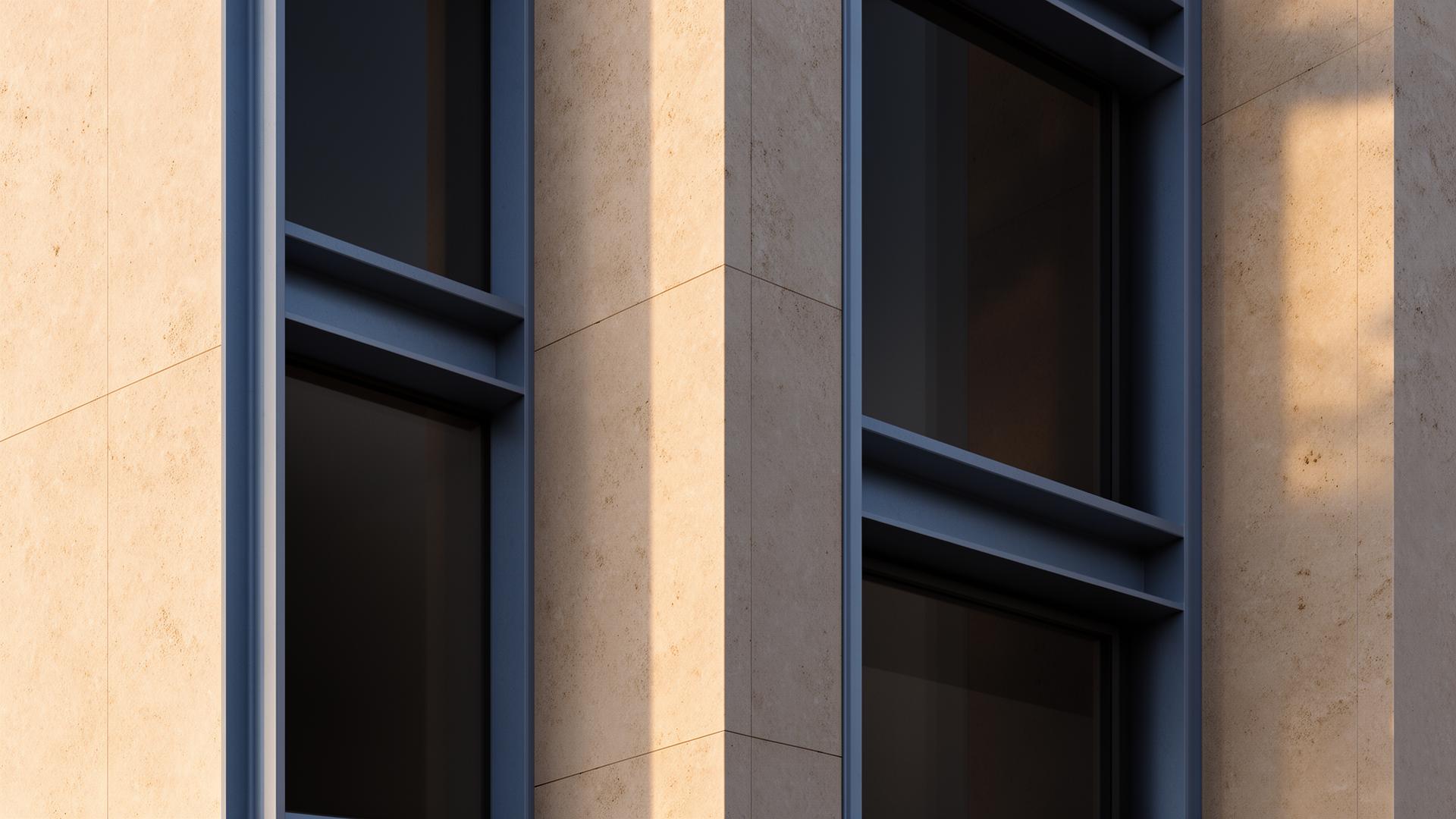
AI enhancement technology is advancing rapidly, with each generation delivering more convincing results. Current tools already handle material enhancement, lighting improvement, and resolution upscaling effectively. Future developments will likely include better handling of specific architectural elements — curtain walls, exposed structure, landscape integration — and tighter integration with BIM workflows. Architects who adopt AI enhancement now are positioning themselves at the forefront of this technological shift, building expertise that will become increasingly valuable as AI capabilities expand.
“Consider a mid-size architecture firm producing 15-20 visualization images per project across interior and exterior views.”
How vaethat Helps Architecture Firms
vaethat is built specifically for architectural visualization, not photography or general image editing. It understands the precision requirements of architectural renders — straight lines stay straight, material assignments stay accurate, and geometric relationships are preserved exactly. For architecture firms, this means you can confidently use AI-enhanced renders in client presentations, planning submissions, and competition entries. The prompt-free workflow requires no AI expertise — any team member can enhance renders, making it practical for firms of all sizes.
Frequently Asked Questions
Will AI replace architects?
No. AI enhancement tools augment architect capabilities by handling the computationally intensive aspects of visualization. The creative design work — spatial planning, program resolution, material selection, contextual response — remains firmly in the architect's domain.
Is AI-enhanced visualization accepted in professional practice?
Yes. AI enhancement preserves the accuracy of your architectural design, making the enhanced renders suitable for client presentations, planning submissions, competition entries, and marketing materials. The underlying design information remains unchanged.
What rendering software works best with AI enhancement?
All major architectural rendering software works well — V-Ray, Corona, Lumion, Twinmotion, D5 Render, and others. vaethat enhances the rendered image regardless of its source software.
How do architecture firms typically start using AI enhancement?
Most firms start with a specific use case — usually competition renders or client presentation images where time pressure is highest. After seeing the quality and time savings, they typically expand to using AI enhancement across all visualization work.
Can ChatGPT or Midjourney replace architectural renders?
No. ChatGPT generates text, not images. Midjourney creates conceptual visuals from prompts but can't produce accurate architectural documentation — it doesn't understand your building dimensions, structural systems, or material specifications. AI enhancement tools like vaethat work with your actual 3D models to produce accurate, presentation-ready renders.
What is the best AI tool for architects?
For render enhancement and visualization, vaethat is purpose-built for architectural professionals. For concept generation, tools like Midjourney have their place in early design exploration. The best approach combines traditional 3D modeling for accuracy with AI enhancement for visual quality — leveraging each tool's strengths.
Ready to put this into practice? Try vaethat to improve 3D render quality with AI in one click, no prompts, no Photoshop.